


Smartphones have become our trusty sidekicks, but what happens when they outlive their usefulness? Instead of letting that old device gather dust or become a paperweight, it’s time to consider smartphone recycling. Not only does it help the planet, but it also frees up some much-needed space in that cluttered drawer filled with outdated gadgets.
Overview Of Smartphone Recycling
Smartphone recycling involves the collection and processing of old devices to recover valuable materials. With over 1.5 billion smartphones sold globally each year, a significant number of devices become obsolete quickly. Discarding smartphones contributes to electronic waste, which poses environmental hazards. Recycling offers a sustainable solution, preventing harmful substances from leaching into ecosystems.
Recycling processes include disassembly, material recovery, and refurbishment. During disassembly, technicians separate components such as batteries, metals, and plastics. Each material undergoes specific processing methods to ensure efficient recovery. For instance, copper, gold, and silver can be extracted and reused, reducing the need for virgin resources.
Statistics indicate that recycling one million smartphones can recover up to 35,000 pounds of copper, 16,000 pounds of silver, and 750 pounds of gold. These figures illustrate the potential impact of recycling on resource conservation. Moreover, smartphone recycling often includes responsible disposal of toxic materials, like lead and mercury, which ensures safety for both humans and the environment.
Participating in smartphone recycling programs also facilitates decluttering. Many communities offer drop-off events or mail-back options. Individuals can check local recycling centers for designated smartphone collection sites. Engaging in these initiatives supports sustainable practices and encourages a circular economy.
Awareness of smartphone recycling benefits enhances participation rates. Environmental organizations and manufacturers frequently educate consumers about responsible disposal methods. Clear communication about the importance of recycling encourages individuals to take action, significantly increasing recycling rates.
Importance Of Smartphone Recycling
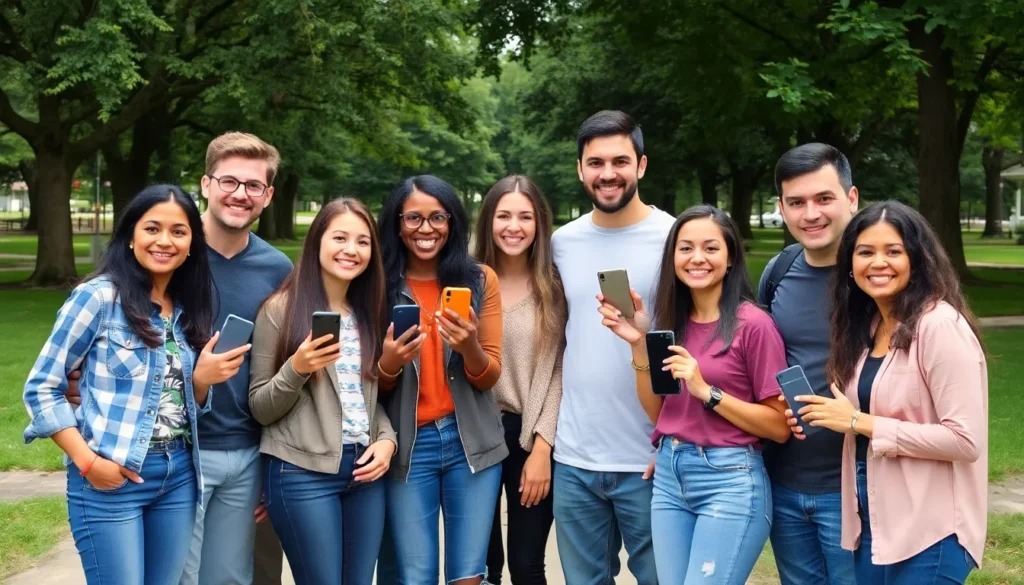
Smartphone recycling plays a crucial role in managing electronic waste, promoting sustainability, and conserving resources. By prioritizing this practice, individuals contribute to a healthier planet and a thriving economy.
Environmental Impact
Smartphone recycling significantly reduces environmental hazards associated with electronic waste. It prevents toxic materials like lead and mercury from contaminating soil and water sources. Recycling processes recover valuable metals, minimizing the need for mining, which harms ecosystems. The majority of materials, including copper, silver, and gold, can be reused, leading to a decrease in resource depletion. In fact, recycling one million smartphones can conserve over 35,000 pounds of copper. Participating in local recycling initiatives enhances community awareness and responsibility toward environmental stewardship.
Economic Benefits
Smartphone recycling generates substantial economic advantages. It creates job opportunities across the recycling industry, with thousands employed in collection, processing, and material recovery. Each recycled device recovers valuable materials that can be sold, thus contributing to revenue generation. Furthermore, recycling helps reduce manufacturing costs since using recycled materials typically costs less than sourcing new ones. The potential savings extend to consumers as companies lower prices to remain competitive. According to estimates, recycling smartphones could yield around $10 billion in recoverable materials annually.
Challenges In Smartphone Recycling
Smartphone recycling faces several challenges. One significant issue involves regulations and legislation.
E-Waste Legislation
E-waste legislation varies across regions. Many countries lack strict laws governing electronic waste disposal. Absence of comprehensive frameworks hinders effective recycling efforts. Some governments enforce rules focused on hazardous materials but overlook broader recycling mandates. Effective legislation could streamline processes and encourage responsible recycling behaviors. Additionally, it fosters producer responsibility, requiring manufacturers to manage end-of-life devices. Robust legislation can promote innovation in recycling technologies and systems. Policymakers need to prioritize frameworks that encourage sustainable practices and combat e-waste mismanagement.
Consumer Awareness
Consumer awareness plays a vital role in smartphone recycling. Many people remain uninformed about the environmental impact of discarded devices. Misconceptions about recycling processes contribute to low participation rates. Educational initiatives can bridge this knowledge gap and motivate individuals to recycle old smartphones. Awareness campaigns should highlight benefits like conserving resources and reducing pollution. By communicating the economic advantages of recycling, such as job creation in the sector, engagement can increase. Increased awareness can lead to a cultural shift towards embracing recycling as a common practice. Understanding the importance of smartphone recycling is essential for sustainable development.
Best Practices For Smartphone Recycling
Responsible smartphone recycling practices help minimize electronic waste and maximize resource recovery. Following specific guidelines ensures devices are recycled effectively.
Manufacturer Take-Back Programs
Many manufacturers offer take-back programs for old smartphones. Programs like Apple’s Trade In and Samsung’s Galaxy Upcycling allow consumers to return their devices for credit towards new purchases. Participation in these programs helps secure proper recycling while preventing devices from ending up in landfills. Customers can find details about these programs on the manufacturers’ official websites. Some companies even refurbish returned devices for resale, extending the product’s life cycle. Engaging with take-back initiatives represents a direct way to contribute to sustainability.
Local Recycling Options
Local recycling options provide accessible solutions for responsible disposal. Many communities offer e-waste recycling events and designated drop-off locations for old smartphones. Research often reveals specific days and locations suitable for recycling efforts. Residents could also check with local electronics retailers for recycling kiosks or programs. In addition, some municipalities have established permanent recycling centers that accept a range of electronic devices. Utilizing local recycling services enhances community engagement in sustainability efforts while ensuring environmentally safe disposal practices.
Future Of Smartphone Recycling
Smartphone recycling faces a transformative future shaped by innovation and consumer involvement. As technology advances, new methods emerge to enhance the efficiency of recycling processes.
Innovative Recycling Technologies
Emerging technologies significantly improve the recycling of smartphones. Mechanical separation techniques streamline the extraction of materials, resulting in higher recovery rates. Pyrolysis and hydrometallurgical processes enable the efficient recovery of precious metals like gold and silver, ensuring minimal waste. Machine learning optimizes sorting processes, identifying materials more accurately than traditional methods. These innovations contribute to reducing the overall environmental impact of e-waste. Coupled with enhanced collection systems, these technologies pave the way for a circular economy by ensuring that valuable resources remain in use longer.
Role Of Consumer Habits
Consumer habits play a crucial role in the success of smartphone recycling initiatives. Increased awareness and convenience make recycling more accessible. Many individuals are adopting better recycling practices, which leads to higher participation rates in local programs. Trends show that millennials and Gen Z are particularly engaged, demonstrating a commitment to sustainability. Educating consumers about recycling benefits encourages responsible disposal behaviors. They often seek out recycling options, whether through manufacturer take-back programs or community events. By fostering a culture of recycling, individuals contribute to the reduction of electronic waste and promote a healthier environment for future generations.
Smartphone recycling stands as a vital practice for both environmental sustainability and economic growth. By responsibly disposing of old devices, individuals can significantly reduce electronic waste and contribute to a healthier planet. Engaging in recycling initiatives not only helps recover valuable materials but also minimizes the harmful effects of toxic substances.
As awareness increases and innovative recycling technologies emerge, a cultural shift towards embracing recycling is becoming more pronounced. The collective effort in participating in local programs and supporting manufacturer take-back initiatives will pave the way for a more sustainable future. Each recycled smartphone represents a step toward preserving resources and fostering a thriving circular economy.

