


If you’ve ever indulged in a plate of bikimsum, you know the joy it brings—those delightful morsels bursting with flavor. But wait, what’s that? Your stomach feels like it’s hosting a slow dance party, and you’re left wondering why it takes so long to digest.
Understanding Bikimsum
Bikimsum offers a unique culinary experience, featuring small, delectable parcels that captivate the taste buds. Despite their appeal, many individuals experience slow digestion after consuming these treats.
What Is Bikimsum?
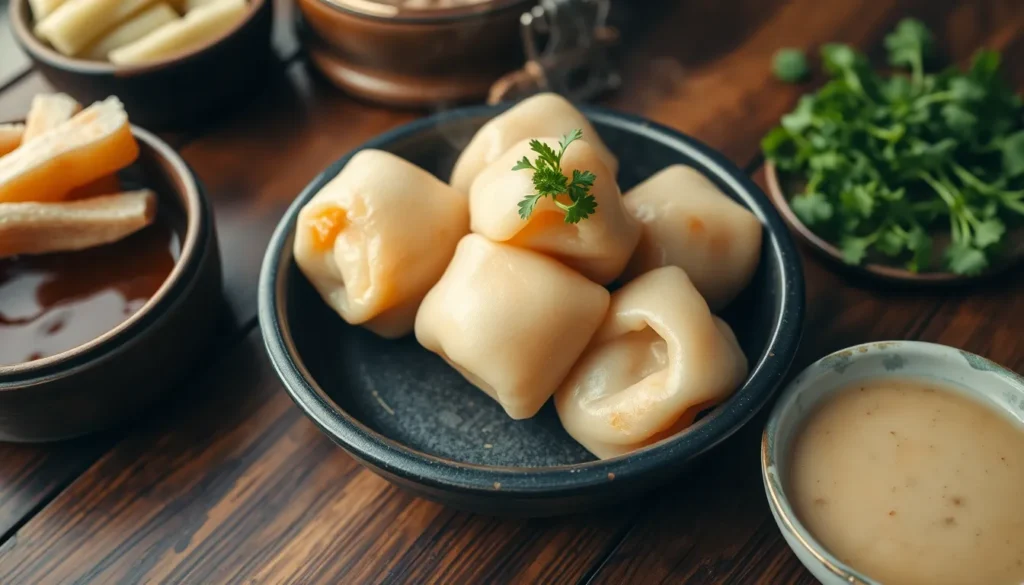
Bikimsum refers to a variety of bite-sized dumplings, often filled with an assortment of ingredients. Varieties exist that include vegetables, meats, or seafood, each providing distinct flavors. Traditionally steamed, bikimsum is popular in Asian cuisines, particularly Chinese. Diners enjoy bikimsum as appetizers or light meals, making them versatile in dining settings. Flavorful and visually appealing, these dumplings enhance many culinary experiences.
Nutritional Components
Bikimsum contains several important nutritional components contributing to digestion times. Ingredients like starches from dough and high fiber content from vegetables play significant roles. Protein from meat or seafood increases fullness, impacting digestion duration. Many bikimsum also include sauces that enhance flavors but may add sugars or fats. Overall, a balanced composition of carbohydrates, proteins, and fats helps explain the delayed digestive process after indulging in bikimsum. Understanding these components helps individuals make informed dietary choices.
Digestive Process
Digestion involves various steps that transform food into nutrients. The journey begins in the mouth, where chewing breaks down bikimsum into smaller pieces. Saliva mixes with food, initiating the digestive process. Next, the food travels down the esophagus into the stomach, where gastric juices further break it down.
How Digestion Works
Digestion functions as a mechanical and chemical process. Various enzymes break proteins, fats, and carbohydrates into absorbable units. Bile from the liver assists in fat digestion, while the pancreas releases enzymes to aid in breaking down starches. Through the small intestine, absorbed nutrients enter the bloodstream, supporting overall health. Digestion can take several hours, especially for complex foods such as bikimsum.
Factors Affecting Digestion Time
Different factors influence how long bikimsum takes to digest. Ingredient composition plays a crucial role; high starch and protein contents slow-down digestion. The preparation method also affects digestion; steaming retains moisture and digestibility. Portion size impacts how quickly food moves through the digestive tract; larger portions typically take longer. Individual factors, like metabolism and overall gut health, can also contribute to variations in digestion times.
Reasons Why Bikimsum Takes Long to Digest
Bikimsum may take longer to digest due to various factors related to their composition and preparation. Understanding these reasons can help one make better dietary choices.
High Fat Content
Fried or rich sauces commonly accompany bikimsum, increasing their overall fat content. High fat slows down the digestive process because it takes longer for the stomach to break down. Fats require bile for emulsification, a process that delays passage through the stomach. Consuming bikimsum with heavy sauces can exacerbate this effect. Individuals may experience a feeling of fullness for extended periods, stemming from the time required to process these fats.
Complex Carbohydrates
Bikimsum often contain dough made from complex carbohydrates, such as wheat or rice flour. Complex carbohydrates break down more slowly than simple sugars, extending digestion time. Enzymes need to work harder to break down these starches into simple sugars for absorption. Consuming bikimsum leads to slower energy releases, providing sustained energy but prolonging the digestive experience. Moreover, fiber content in some fillings can further slow digestion.
Impact of Individual Digestion
Individual digestion varies significantly from person to person, influenced by various factors.
Personal Health Conditions
Health conditions directly affect digestion times. Disorders such as irritable bowel syndrome (IBS) impact how quickly the body processes foods like bikimsum. Inflammation or sensitivity in the digestive tract can cause discomfort and extend digestion. Individuals with conditions like diabetes might experience altered digestive speed due to changes in nutrient absorption. Medications prescribed for different health issues may also play a role in how long foods are digested. A person’s overall digestive health directly correlates with the speed and comfort of digestive processes.
Influence of Eating Habits
Eating habits contribute to digestion efficiency. Consumption of bikimsum at a faster pace can lead to incomplete chewing, which hinders initial breakdown. Chewing thoroughly aids in digestion. Meals accompanied by excessive fluids may dilute gastric juices, slowing down the digestive process. Consuming smaller portions encourages quicker digestion, while larger servings might prolong it. Regularly eating heavy meals or high-fat foods sets expectations for longer digestive times. Overall, mindful eating habits are essential for more efficient digestion and better digestive experiences.

