


The Environmental Protection Agency (EPA) might sound like just another government agency, but it’s the superhero of the environmental world, fighting pollution and saving ecosystems one regulation at a time. Picture it as a caped crusader, armed with science and a mission to keep our air clean and our water sparkling. Without the EPA, we’d be living in a world where smog is a fashion statement and drinking water tastes like a chemistry experiment gone wrong.
Overview of the Environmental Protection Agency (EPA)
The Environmental Protection Agency, known as EPA, established in 1970, focuses on safeguarding human health and the environment. This federal agency enforces regulations based on laws passed by Congress, addressing air quality, water safety, and waste management. By implementing the Clean Air Act, the EPA plays a significant role in reducing air pollution, ensuring citizens breathe cleaner air.
In addition to air quality, the agency oversees the Clean Water Act, which protects aquatic ecosystems and ensures safe drinking water for communities. The EPA establishes pollutant standards and conducts regular water quality assessments. Monitoring and managing hazardous waste also falls under the EPA’s purview through the Resource Conservation and Recovery Act.
Moreover, the EPA takes the lead in developing environmental policies and initiatives, promoting sustainable practices. Programs that encourage recycling, conservation, and the use of alternative energy sources highlight the agency’s commitment to fostering a healthier planet. The agency collaborates with state and local governments, businesses, and non-profit organizations to expand its reach and effectiveness.
Research and education form another cornerstone of the EPA’s mission. The agency conducts scientific studies to understand environmental challenges and disseminates findings to inform the public. Educational campaigns raise awareness about environmental issues, empowering individuals to take action.
Guidelines and funding support from the EPA enable communities to implement restoration projects and enhance public spaces. Addressing climate change remains a top priority, motivating the agency to establish greenhouse gas emissions standards. All these efforts underscore the EPA’s essential role in maintaining a sustainable environment for current and future generations.
Mission and Goals of the EPA
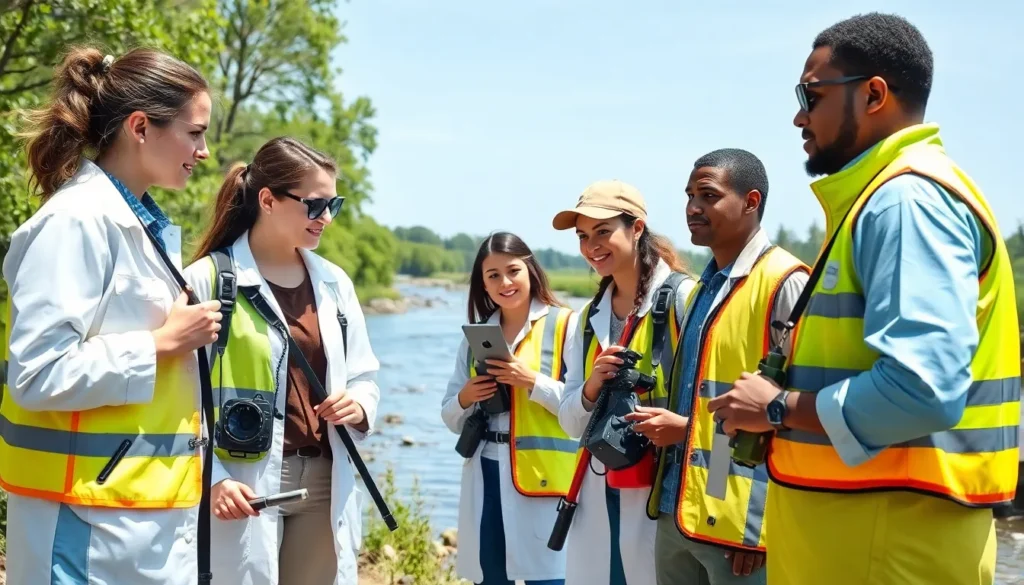
The Environmental Protection Agency (EPA) works toward protecting human health and the environment while promoting sustainable practices. Its mission includes setting regulations that ensure cleaner air and water for all citizens.
Protecting Human Health
Protecting human health remains a top priority for the EPA. The agency sets air quality standards to mitigate respiratory issues stemming from pollutants. Regulations under the Clean Air Act play a critical role in reducing dangerous emissions from vehicles and industries. Safe drinking water is another focus, with the EPA enforcing limits on contaminants through the Safe Drinking Water Act. Community outreach programs educate the public about health risks from exposure to environmental hazards. Enhanced regulations also help shield vulnerable populations, such as children and the elderly, from harmful substances.
Safeguarding the Environment
Safeguarding the environment is central to the EPA’s goals. The agency oversees the Clean Water Act, ensuring waterways remain safe for wildlife and recreation. Protecting ecosystems involves working on policies that reduce stormwater runoff and improve habitat restoration. The Resource Conservation and Recovery Act governs hazardous waste management, preventing pollutants from contaminating land and water. Efforts to promote alternative energy sources contribute to long-term sustainability while combating climate change. Partnerships with local governments amplify impact through innovative environmental programs and initiatives.
Key Functions of the EPA
The Environmental Protection Agency (EPA) plays a vital role in protecting the environment through various key functions, including regulation and compliance, as well as research and innovation.
Regulation and Compliance
The EPA enforces laws that ensure air and water quality standards. Compliance with regulations is critical for maintaining a safe environment. Inspectors regularly monitor facilities to ensure adherence to environmental statutes. They issue permits, which establish guidelines for emissions and discharges. Violations often lead to fines or corrective actions to align practices with environmental laws. Organizations are encouraged to implement best practices to minimize environmental impact. Public participation is essential, as community feedback helps reinforce regulatory efforts.
Research and Innovation
Research conducted by the EPA focuses on advancing environmental science and technology. Innovative solutions are vital for addressing pressing environmental challenges. The agency collaborates with universities, non-profits, and private companies to conduct studies that inform policy decisions. Cutting-edge research enables the development of sustainable practices and technologies. Data collected influences regulations and standards, ensuring they are based on the latest scientific findings. Educational initiatives raise public awareness and encourage environmentally responsible behaviors, strengthening community involvement in sustainability efforts.
Challenges Facing the EPA
The Environmental Protection Agency faces significant challenges that impact its mission. Budgetary constraints often limit the agency’s capacity to implement effective environmental programs.
Budgetary Constraints
Funding cuts hinder the EPA’s ability to enforce regulations and support innovative projects. Limited resources restrict staff capacity, which can slow down regulatory processes. Additionally, fewer financial assets impact research efforts, leading to challenges in scientific advancements necessary for informed policy-making. The agency’s ability to respond to urgent environmental crises also suffers, creating gaps in public health protection.
Political Pressures
Political dynamics significantly influence the EPA’s decision-making processes. Changes in administration can shift environmental priorities, sometimes favoring economic interests over ecological protection. Agency initiatives may face opposition from powerful lobbying groups intent on minimizing regulatory oversight. Political agendas can also lead to uncertainty in policy continuity, making long-term environmental planning difficult. The agency must navigate these complex pressures while striving to fulfill its mission of safeguarding public health and the environment.
Impact of the EPA on Public Health and Environment
The Environmental Protection Agency (EPA) significantly influences public health and environmental quality. By regulating air and water standards, it directly impacts the health of millions. Non-compliance can lead to respiratory diseases, contamination of water supplies, and increased health costs.
In air quality regulation, the Clean Air Act mandates reductions in pollutants like sulfur dioxide and nitrogen oxides. Each decrease in these emissions leads to fewer cases of asthma and other respiratory conditions. Furthermore, monitoring the air quality in urban areas has contributed to improved public awareness and collective action toward cleaner air.
The Clean Water Act outlines standards for water quality, ensuring safe drinking water and protecting aquatic ecosystems. Regular inspections and monitoring programs help identify and mitigate pollution sources. Ecosystems benefit from these efforts, while public health improves due to access to uncontaminated water sources.
Management of hazardous waste through the Resource Conservation and Recovery Act also plays a crucial role in safeguarding the environment. Proper disposal and waste management prevent toxic substances from entering soil and waterways. Environmental restoration projects funded by the EPA further enhance community health and ecosystem resilience.
Research initiatives by the EPA provide valuable insights into the links between environmental factors and human health. Studies indicating the health repercussions of climate change inform policy decisions aimed at reducing greenhouse gas emissions. Public education campaigns raise awareness about environmental hazards, particularly among vulnerable populations.
Collaboration with state and local governments amplifies the EPA’s effectiveness in implementing environmental policies. Innovative programs designed in partnership with community organizations ensure sustainable practices take root at the local level. Consequently, such efforts foster a healthier environment for current and future generations.
Future of the Environmental Protection Agency (EPA)
The future of the EPA focuses on adapting to emerging environmental challenges. Climate change poses significant risks, pushing the agency to strengthen greenhouse gas emissions regulations. Enhanced policies promote sustainability and prioritize public health, with a greater emphasis on clean energy sources.
Emerging technologies play a vital role in shaping the EPA’s strategies. Advancements in data science and environmental monitoring provide new tools for providing accurate assessments of pollution levels. Incorporating these technologies allows for real-time responses to environmental threats, improving regulatory compliance and community engagement.
Partnerships with state, local governments and private sectors continue to expand. These collaborations enhance resource sharing, improve environmental education and foster community restoration projects. Innovative programs developed through these partnerships elevate the agency’s effectiveness in addressing local environmental issues.
Funding mechanisms require reevaluation to tackle budget constraints. Access to sufficient resources ensures the EPA can implement robust environmental programs. Sustainable financing strategies help prioritize essential initiatives, promoting long-term environmental protection efforts.
Public awareness and participation remain crucial for the EPA’s mission. With knowledge of environmental issues, communities can actively engage in sustainable practices. Educating the public about hazards empowers individuals to advocate for healthier environments.
Regulatory challenges will persist as political dynamics shift in future administrations. Consistent advocacy for environmental protection helps maintain the agency’s priorities amid changing policies. Resilience in its mission will allow the EPA to confront the complexities of environmental governance effectively.
The Environmental Protection Agency remains a cornerstone in the fight for a healthier planet. Through its comprehensive regulations and innovative policies, it addresses pressing environmental issues while promoting public health. The agency’s commitment to collaboration with various stakeholders enhances its ability to implement sustainable practices and educate communities.
As it faces ongoing challenges like budget constraints and political pressures, the EPA’s resilience is crucial for adapting to future environmental demands. By leveraging emerging technologies and fostering community engagement, it can continue to lead efforts in safeguarding the environment for generations to come. The future of environmental protection hinges on the EPA’s ability to navigate these complexities while staying true to its mission.

